 Recommended
Guides
Language
EnglishCurrency
US dollar · $Prices on GetYourGuide appear in your chosen currency.
Guide · Culture
Sámi Culture in Tromsø: Reindeer, Lavvu, and Joik
Behind every reindeer in Tromsø is a Sámi family. Here you will learn what you should know about Sámi culture before you visit their camp, and where you can find out more.
Check availabilityfrom $200 · free cancellation
Editorial tromsorentierfarm.deUpdated on October 3, 2026about 7 min to read10 sources
In short
- 01Who the Sámi are
- The indigenous people of the north; an estimated 40,000 to 45,000 Sámi live in Norway.1
- 02Reindeer herding
- The reindeer at Tromsø are domesticated and belong to the Sámi.2
- 03Experience
- At the camp with lavvu, stories by the fire, and joik; from $179 with lunch.
- 04In Town
- A city tour on Sámi history and mythology, from $59.
- 05Date
- Around the Sámi National Day on February 6, Tromsø celebrates Sámi Week.3
Who the Sámi are
The Sámi are the indigenous people of northern Scandinavia and the Kola Peninsula. Their territory spans Norway, Sweden, Finland, and Russia. According to the Norwegian Polar Institute, an estimated 40,000 to 45,000 Sámi live in Norway, of whom around 25,000 are in the northernmost region of Finnmark.1 They have their own languages, a flag, and a parliament in Norway.
Sámi culture is not folklore from the past but a living present. Sámi work as teachers, engineers, artists, and, of course, reindeer herders. Only some Sámi live off reindeer, but reindeer herding is a central part of their culture and what guests in Tromsø experience most. Many Sámi live in cities today, including Tromsø.
When you visit a camp, you will meet people who show and explain their own culture. This is an invitation, not a performance. Listen, ask questions, and treat clothing, objects, and animals as you would at any host. Most guides appreciate genuine interest and are happy to answer personal questions too. Respect starts with curiosity. An open ear helps.
History and present
Sámi culture at some stops
-
1751
Lapp Codicil
An addendum to the border treaty recognizes the rights of the Sámi to herd reindeer.4
-
Early 20th century
Joiks are collected
Karl Tirén records joiks in Sweden.5
-
Today
Reindeer herding
The reindeer near Tromsø belong to the Sámi.2
-
February 6
National Day
Tromsø celebrates the Sámi Week.3
-
Sámi Week
Championships
Lasso throwing on Saturday, reindeer racing on Sunday.6
Reindeer herding as a livelihood
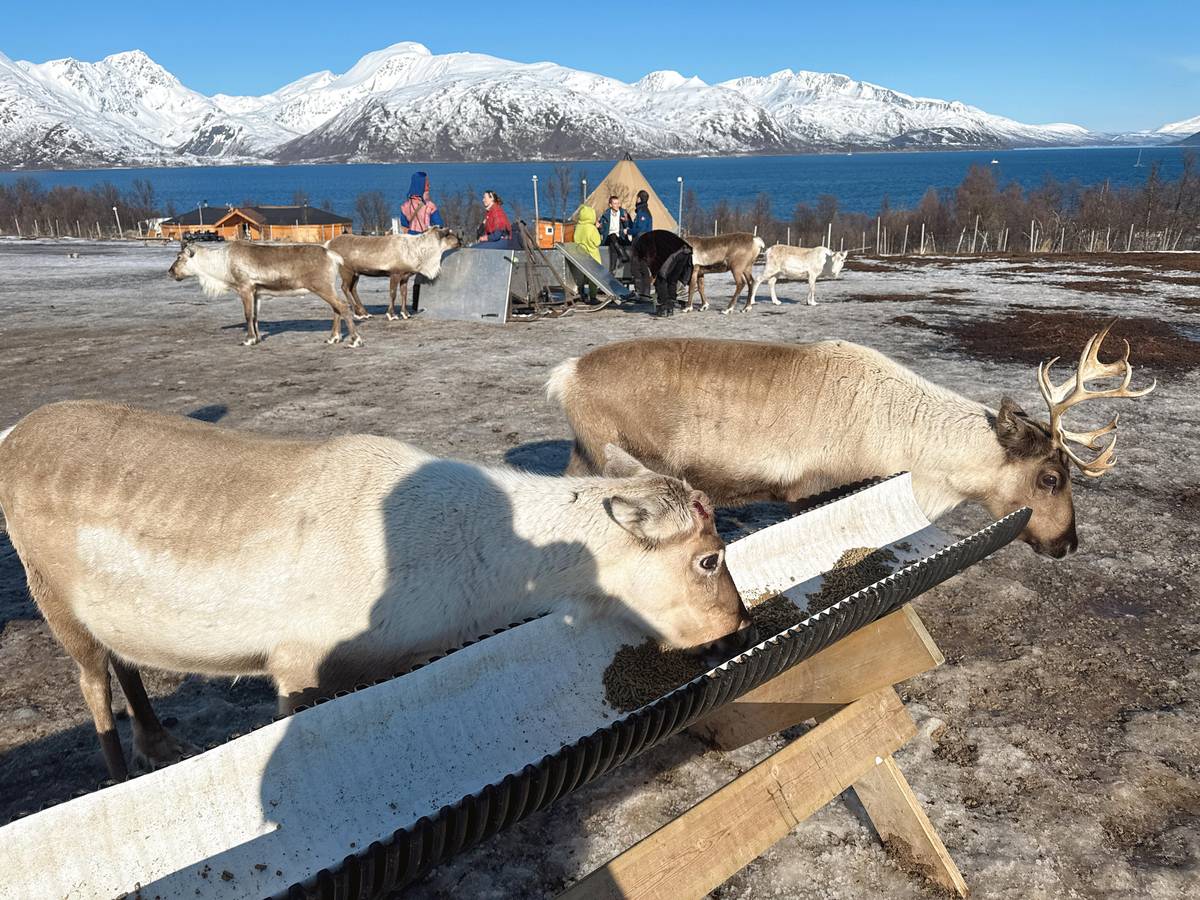
The reindeer in the Tromsø region are not wild animals. They are domesticated animals that belong to the Sámi, who have been herding reindeer for centuries.2 So if you see reindeer by the roadside, you are always seeing animals with an owner, even if there is no fence nearby. Therefore, never feed reindeer by the roadside, even if they seem approachable; that is up to their owners.
The right to herd reindeer is ancient. An addition to the 1751 border treaty, the so-called Lapp Codicil, was meant to protect the Sámi grazing rights in border areas and recognized existing rights to herd reindeer.4 The herds then, as now, moved between summer and winter pastures without regard to national borders. The history of the Sámi is therefore closely linked to the history of borders in the north.
In Tromsø, some herds graze year-round on the coastal islands, while others move inland in winter.7 For a family, this means a life in rhythm with the animals, the pastures, and the weather. If someone in the camp tells you about walks and grazing lands, you are hearing about a daily routine that has been passed down through generations. Listen carefully, because no travel guide tells you these stories.
Reviews
How guests rate the culture tours
Points
Offers
Where you experience Sámi culture near Tromsø
| Offer | Duration | Rating | Price from |
|---|---|---|---|
| Camp & Sámi culture with lunch | 4 hrs | 4,71 | from $179 |
| Feeding & Sámi culture with lunch | 4.5 hrs | 4,70 | from $178 |
| Sleighs, Feeding & Sámi culture | 2.5 to 3.5 hours | 4,79 | from $132 |
| Sled and Sami culture with lunch | 4.5 hrs | 4,62 | from $232 |
| City tour: Sámi history and mythology | 2.5 hours | 4,94 | from $59 |
Values of the tour pages on GetYourGuide. Prices are from, per person.
Paths to culture
At the camp or in town
Recommended Budget
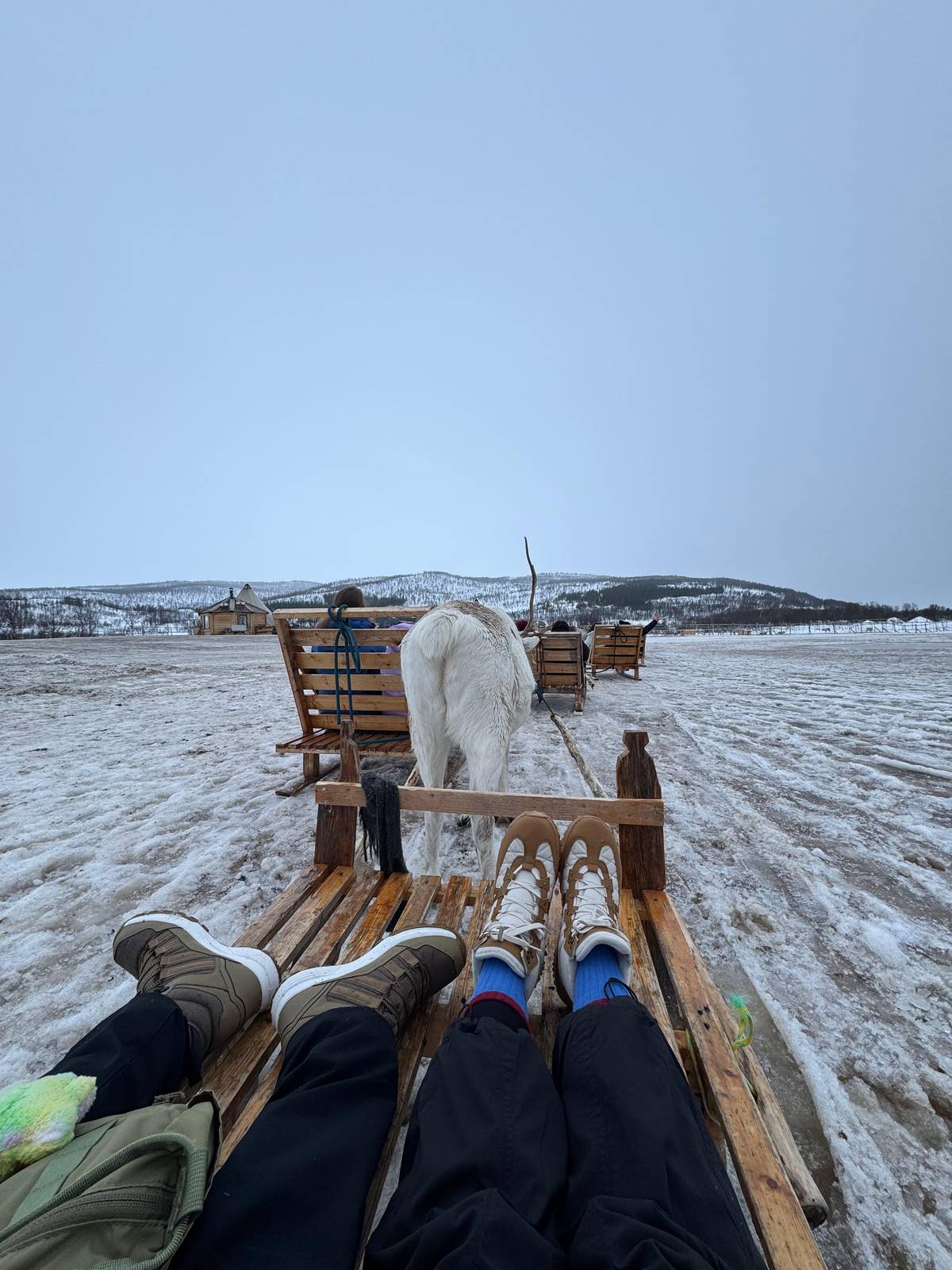
Sleigh ride and culture
Short and compact
- Duration
- 2.5 to 3.5 hours
- Price
- from $132
- Rating
- 4,79
 In Town
Decision helper
How would you like to get to know Sámi culture?
Three ways, depending on your time and interest.
Camp with Lunch
Culture, animals, and food in the lavvu.
Sleigh ride and culture
Compact in 2.5 to 3.5 hours.
City tour
Small group, from $59.
Sámi Week in February
Around February 6.3
It was meant to protect the Sámi grazing rights in the border areas and included the recognition of existing rights to herd reindeer.
The lavvu: the Sámi tent
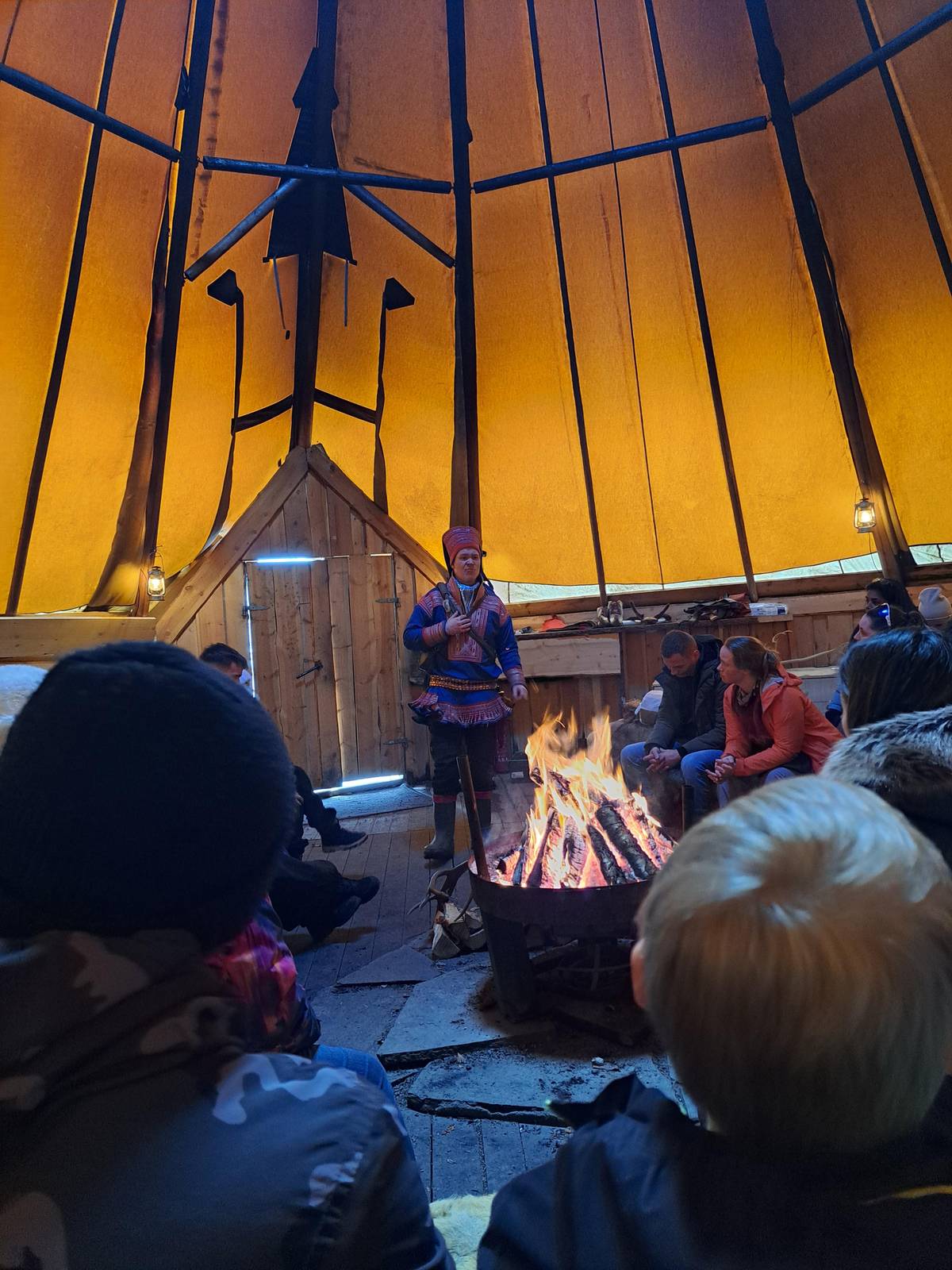
The lavvu is the traditional Sámi tent. It consists of poles that meet at the top and a cover over them; in the center a fire burns, and the smoke draws out through the opening at the top. The tent could be quickly taken down and carried, making it ideal for a life with migrating herds. Today, the lavvu is the most important place to warm up and sit together during visits to reindeer camps.
At a reindeer camp visit, the lavvu is usually the place where you eat and listen to stories. Visit Tromsø describes how feeding the reindeer and dog-sledding are often combined with tales by the fire inside a lavvu.8 You sit on benches or hides arranged around the fire, and after the cold outside, it quickly becomes cozy. For many guests, this is the moment when they feel the hosts' culture most strongly.
Some camps also have a gamme, a traditional hut covered with earth and turf. Tromsø Arctic Reindeer, for example, invites you to a warm meal by the fire in the family's gamme.9 Whether lavvu or gamme: it is the space where the hosts share most about themselves. Feel free to ask how the tent or hut is built.
Checklist
Good guests at Sámi hosts
01
Please try
- Ask before taking photos
- When listening to a joik, sort out filming first
- Ask questions about the culture
- Mention vegetarian meals when booking
02
Better to leave it alone
- Derogatory old terms
- Don't touch costumes or objects without asking
- Don't feed reindeer by the roadside
Cost calculator
Cultural visit for all fellow travelers
See what a day with Sámi hosts costs for your group.
people
Total from$357
per guest from $179
Check availabilityfree cancellationStarting prices according to GetYourGuide, converted using the ECB reference rate. The exact price is shown only at booking time.
Video
The Sámi: their life with the reindeer
The video only loads when you tap Play.
The Joik: a song that describes a person
The joik is a traditional form of Sámi singing.5 Unlike a song about someone, a joik often aims to make a person, an animal, or a place audible in itself. It usually has little or no text, and the melody carries what is to be said. People therefore often say they joik a person rather than sing about them. A joik is often tied to a particular person and is dedicated to them like a gift.
The joik has a moving history. For a long time it was suppressed, and collectors tried to preserve it. One of the most important collectors of joiks in Sweden at the beginning of the 20th century was Karl Tirén.5 Today the joik is alive again, both within families and on stages and in modern music. Those who are interested can find many recordings of joiks after the trip and keep listening.
At many camp visits the guide sings a joik at the end. Guests often name this moment as one of the most moving of the day. Just listen; if you want to film, ask beforehand. A joik can be very personal, and a brief look of consideration is appreciated. It is a gift to the guests. A quiet moment of listening is the most beautiful response.
Food by the fire
A warm meal inside the lavvu is part of many tours. It is often a stew of reindeer meat. In Sámi cuisine, such a reindeer stew with potatoes and carrots is called bidos, and it is traditionally served at large Sámi weddings too.10 A dish for many people, warming and filling, and just right after a few hours in the cold with the herd.
Guests mention the reindeer stew in their reviews, as well as hot chocolate by the fire. One guest from France wrote that at lunch there was a soup with a vegetarian option. If you do not eat meat, it is best to say so when booking so the hosts can plan accordingly. Hot drinks by the fire also belong to the most beautiful memories of the day for many guests.
Food in Sámi culture is closely connected to the reindeer. Those who use meat, fur, and anthorn waste little, and many hosts are happy to explain what is made from an animal. This can feel unfamiliar to some guests, but it belongs to an honest look at life with reindeer. Those who ask openly will learn a lot about everyday sustainability. Feel free to ask if something interests you.
The Sámi in Tromsø: festivals and dates
If you are in Tromsø in February, you will experience the city from its Sámi side. Every year the Sámi Week takes place, linked to the Sámi National Day on 6 February.3 For travelers, this is a special opportunity to experience Sámi culture not only in a camp but in the heart of city life. Those who can travel at this time should book accommodation early and check the program in advance.
Highlights include competitions. The program features the Norwegian Championship in Lasso Throwing on Saturday and the Norwegian Championship in Reindeer Racing on Sunday.6 If you want to watch, plan warm clothing and patience, because standing outside in February is cold. Both competitions showcase skills needed in working with the herd, and are therefore more than just a spectacle for guests.
You can also get to know the Sámi in Tromsø outside of February. A city tour of Sámi history and mythology lasts 2.5 hours, takes a maximum of 8 participants, and starts from $59. Guests rate it 4.94 out of 5. For anyone who wants to learn more before or after the camp, it is a good addition. The tour takes place in the city and does not require a transfer.
Experiencing Sámi culture with respect
A visit to a Sámi family is an encounter, not a backdrop. Ask before you photograph people, and ask before you film a joik. Traditional clothing and objects are not props; many carry meaning for the family that wears or uses them. If you are unsure, simply ask what is allowed. This shows that you come as a guest, not as a spectator.
Avoid old terms that are considered derogatory today. The self-designation is Sámi or Sámi-speaking, and most hosts are happy to explain the differences between the Sámi languages and regions. Those who ask interested questions will learn much more than someone who just waits for the next photo. Even a few questions about the language or region open up many conversations. Listening is more important than talking in this regard.
One guest from Great Britain would have liked to buy a book about the Sámi in the camp shop to learn more. That is a good idea: take something home that helps you continue reading after the trip. A camp visit is a beginning, not an ending, and Sámi culture is richer than a single afternoon can show. Keep reading after the trip, and the encounter will stay alive.
Book the visit
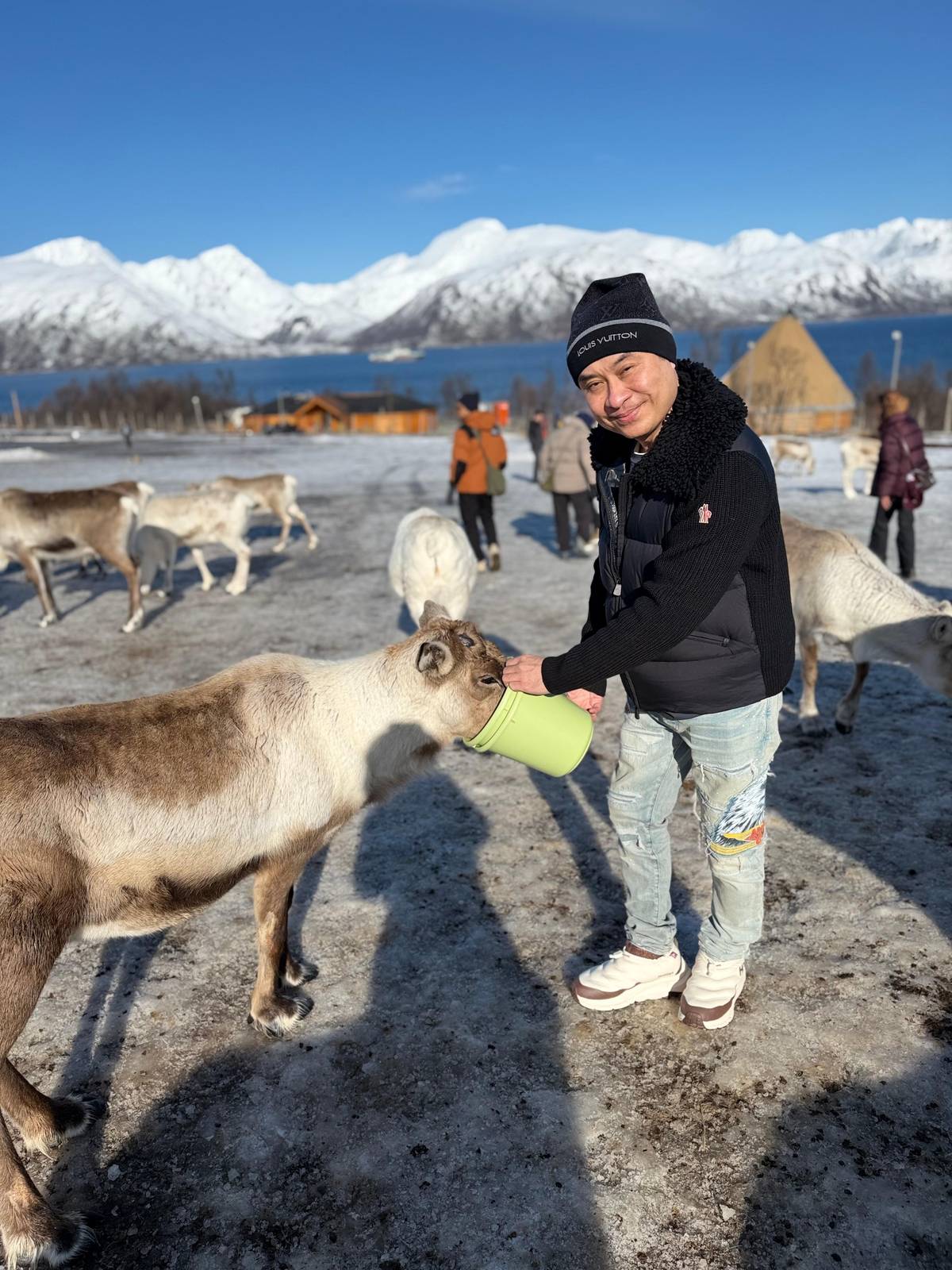
The herd is already waiting for their feed bucket.
Reserve your spot without prepayment, free cancellation up to one day before.


You ask,we answer.
Who are the Sámi?
The indigenous people of northern Scandinavia. In Norway, an estimated 40,000 to 45,000 Sámi live.1
Do the reindeer near Tromsø belong to someone?
Yes, the Sámi. They are domesticated animals, not wild animals.2
What is a lavvu?
The tent of Sámi tradition Inside reindeer camps, you eat and tell stories there.8
What is a joik?
A traditional form of Sámi singing. At many visits the guide sings a joik at the end.5
When is the Sámi National Day?
On 6 February. Around that day, Tromsø celebrates the Sámi Week.3
What happens during the Sámi Week?
Among other things, championships. Lasso Throwing on Saturday, Reindeer Racing on Sunday.6
May I photograph the hosts?
Ask first. This applies to people and to the joik; most are happy to say yes.
Sources
Evidence for this guide
- 1Norwegian Polar InstituteThe Saami of Norway↩
- 2Visit Tromsø Region ASTake care of the reindeer in the Tromsø region↩
- 3Visit Tromsø Region ASReindeer Tours and Sámi Experiences in Tromsø | Visit Tromso | Norway↩
- 4Norwegian Polar InstituteThe Saami of Norway↩
- 5↩
- 6↩
- 7Visit Tromsø Region ASTake care of the reindeer in the Tromsø region↩
- 8Visit Tromsø Region ASReindeer Tours and Sámi Experiences in Tromsø | Visit Tromso | Norway↩
- 9Tromsø Arctic ReindeerReindeer Sledding & Sámi Experiences in Tromsø↩
- 10NordNorsk Reiseliv ASThe food is half the journey - Arctic Norway↩
Read more